
Why Bread Never Went Stale in the 1950s, and Why Yours Is Moldy by the Weekend
Our grandparents kept a loaf soft for a week with no fridge and no plastic. Most of us can't make one last three days. The reason is sitting on your kitchen counter.
My grandmother never threw away a loaf of bread.
Not once that I can remember.
She baked twice a week in a tiny kitchen, and on day five her bread was still soft enough for my sandwiches.
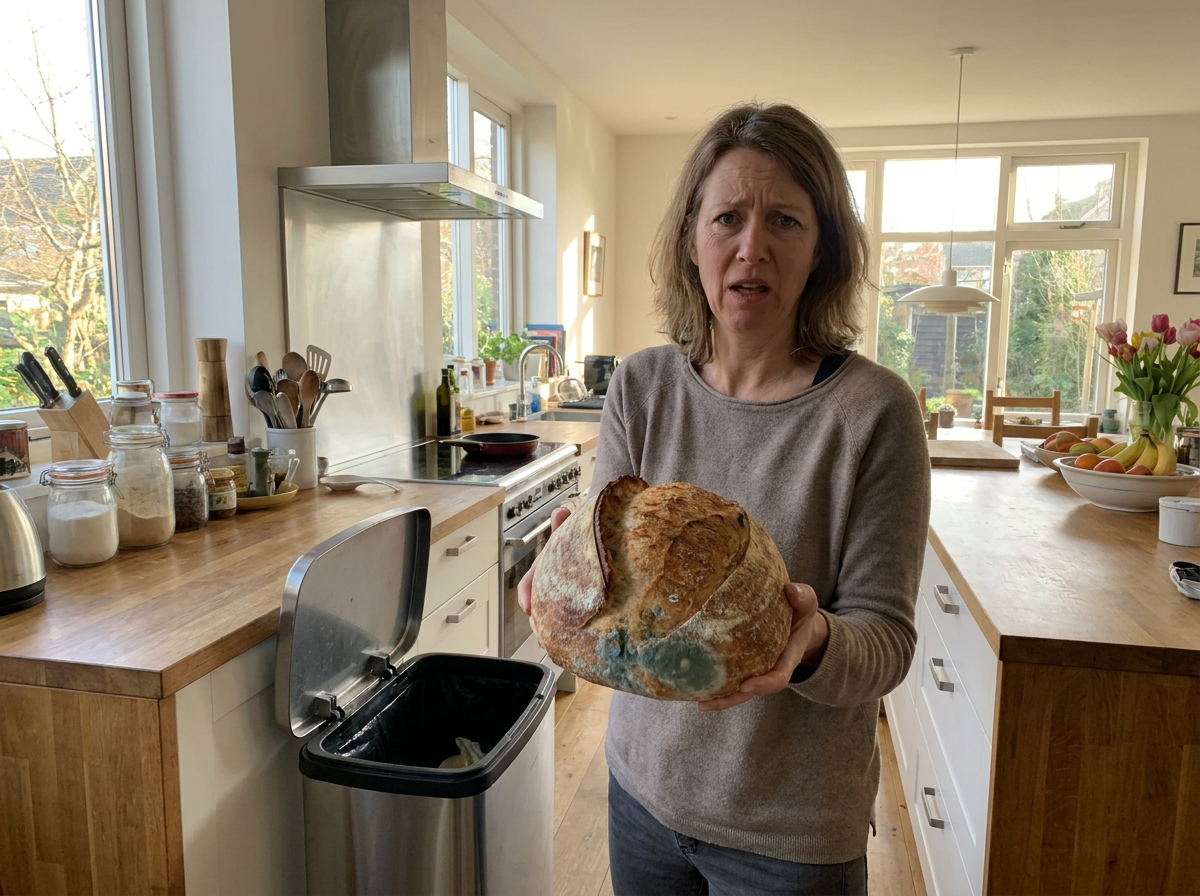
I buy a nine dollar sourdough on Saturday. By Wednesday I'm cutting green fuzz off the bottom.
For years I blamed the bakery. Then the weather. Then myself.
I was wrong all three times.
What I finally figured out is the reason I'm writing this. Because if you store bread the way I did, you're throwing money in the trash every single week. And you probably think that's normal.
It's Not the Bread. It's Where You Put It.
Here's what nobody tells you.
A fresh loaf keeps giving off water for days after it leaves the oven. The crumb is full of it, and that moisture is always moving outward, toward the crust.
It has to go somewhere.
Where it goes decides whether you eat that bread on Thursday or throw it out on Tuesday.
And almost every way we store bread today sends it to the wrong place.
The Three Places Good Bread Goes to Die
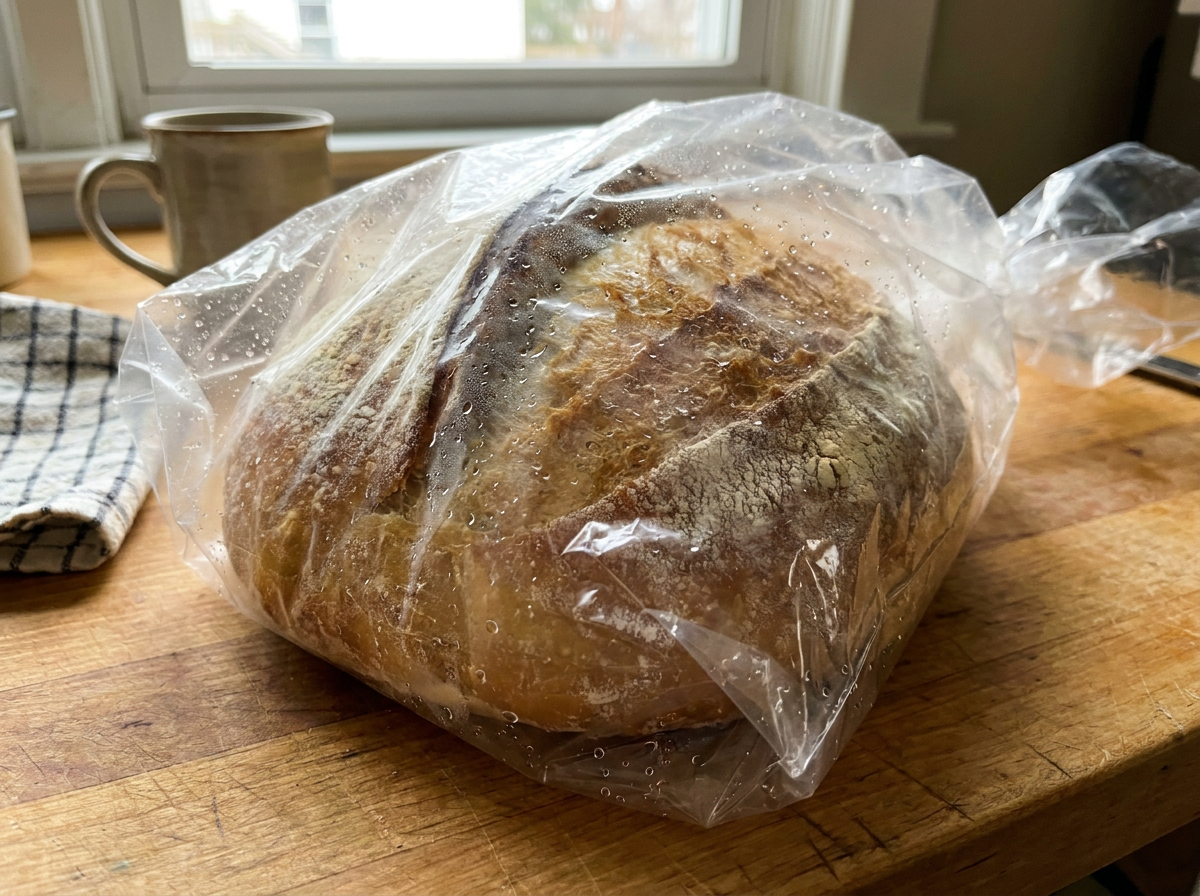
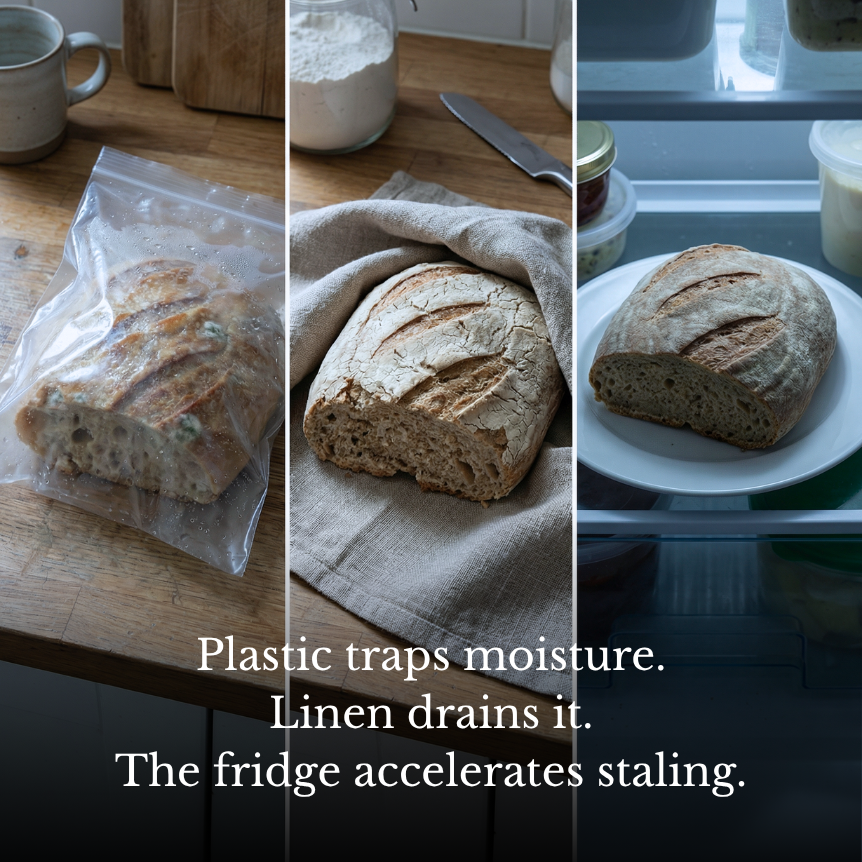
The plastic bag. The moisture can't get out, so it settles right back onto the crust. The crust goes soft and leathery. Worse, that warm damp air inside the bag is exactly what mold needs. It's why bread in plastic often molds faster than bread left out on the counter.
The fridge. This one shocked me. Bread goes stale fastest at fridge temperature. The starch inside crystallizes and squeezes the water out, so your loaf goes hard and dry up to six times faster than it would on the counter. Cold slows mold. It wrecks everything else.
Paper or linen. The opposite problem. The moisture escapes so fast the crust turns to cardboard by morning.
So what do we do? We freeze half the loaf. Slice it, bag it, thaw it, toast it. And it never tastes like the bread we paid for.
I did that for three years.
Then I remembered something about my grandmother's kitchen.
What Grandma Knew That We Forgot
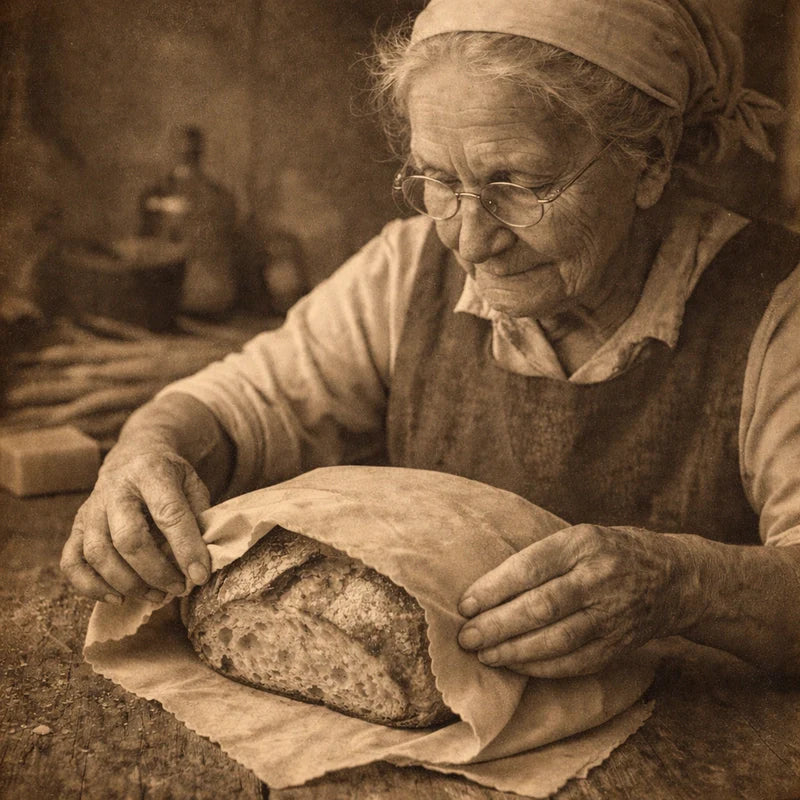
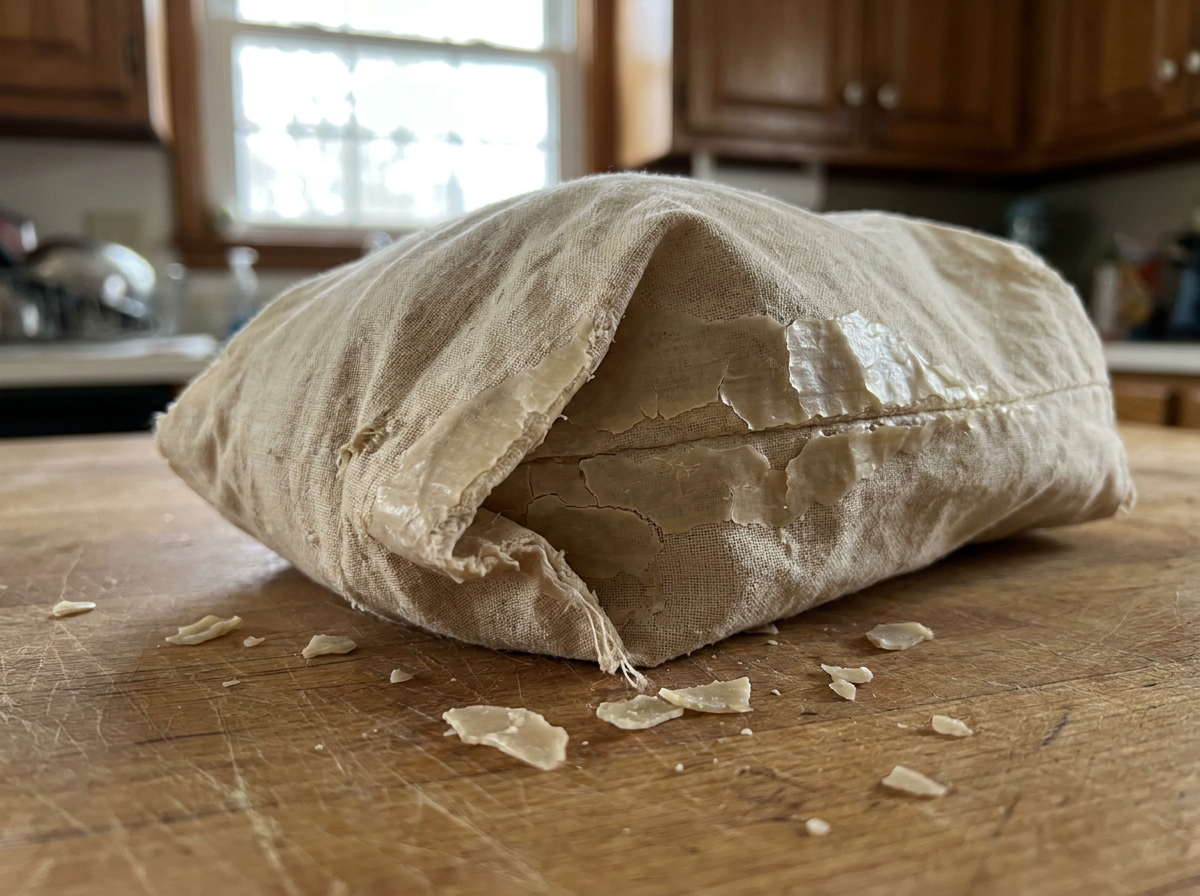
She wrapped every loaf in a cloth coated with beeswax and left it on the counter. That's all.
I always thought it was just an old habit.
It wasn't.
Beeswax cloth breathes, but slowly. It lets moisture out at about the same pace bread gives it off. Not trapped like plastic. Not drained like paper. Balanced.
The crust stays crisp. The crumb stays soft. And with no damp air sitting on the loaf, mold has nothing to work with.
Families did this for generations. Then cheap plastic bags took over American kitchens in the 1950s, and in one generation the whole habit was gone.
We traded the thing that worked for the thing that was convenient.
So I went looking for a beeswax bag of my own. And I made a mistake that almost made me quit.
The Fourteen Dollar Mistake
I ordered the first beeswax bread bag I found online.
It worked for about two weeks.
Then the wax started cracking along the folds. After one rinse it was a plain cotton bag. My bread went stale just like before.
Here's what I didn't know. Most cheap beeswax bags get one light spray of wax on the surface. That's it. Some don't even use real beeswax. They hide a plastic lining and still call themselves natural.
No wonder so many people try one and decide the whole idea is a gimmick.
The idea works. The cheap copies don't.
A friend who bakes every weekend laughed when I told her. Then she showed me the one she uses.
The Bag a Fourth Generation Baker Made Properly
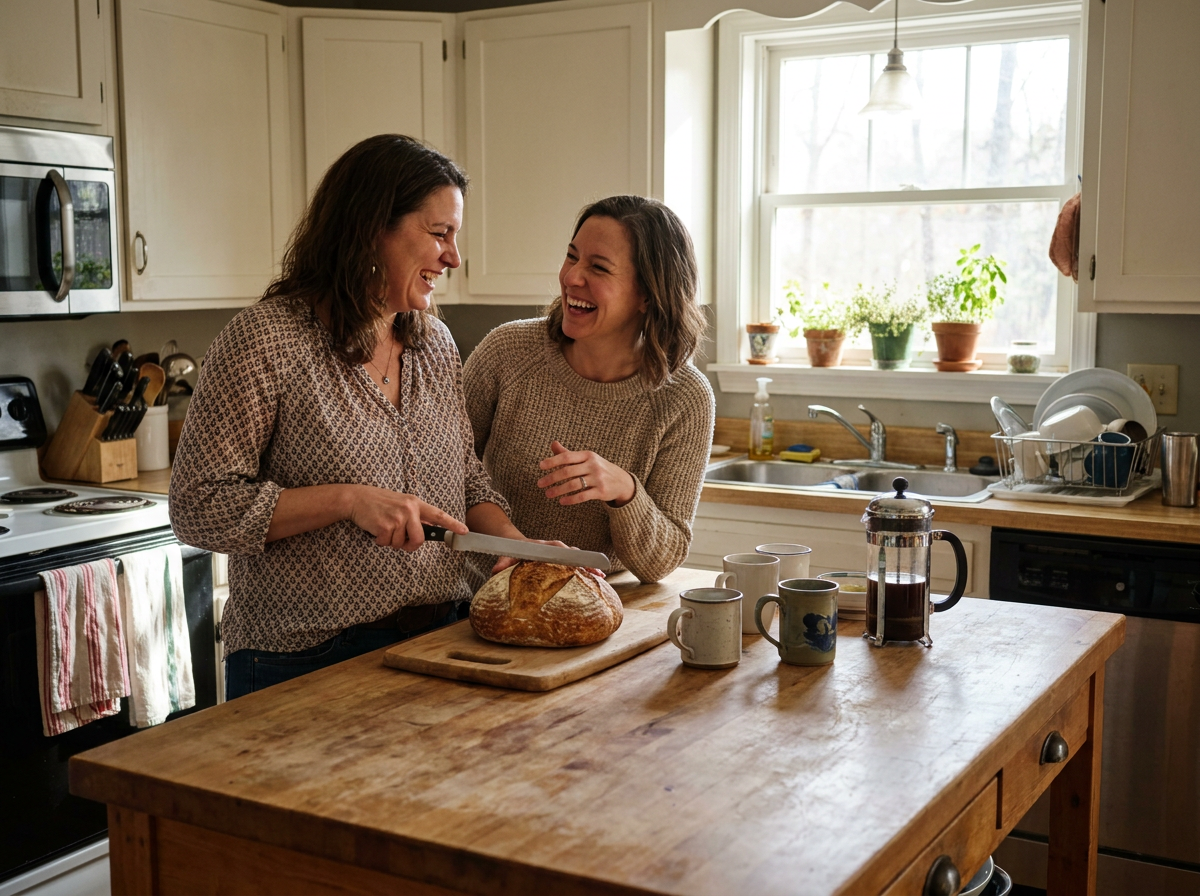
It's called Everloaf. It's a small family business started by Adam, who grew up in Lyon, France, in a family that has baked bread for four generations.
When he moved to America he couldn't believe how much good bread people were throwing away. Talented home bakers. Freezers stuffed with sliced sourdough. Everyone sealing their loaves tighter and tighter in plastic.
So he started making the bags his grandmother used. Properly this time.
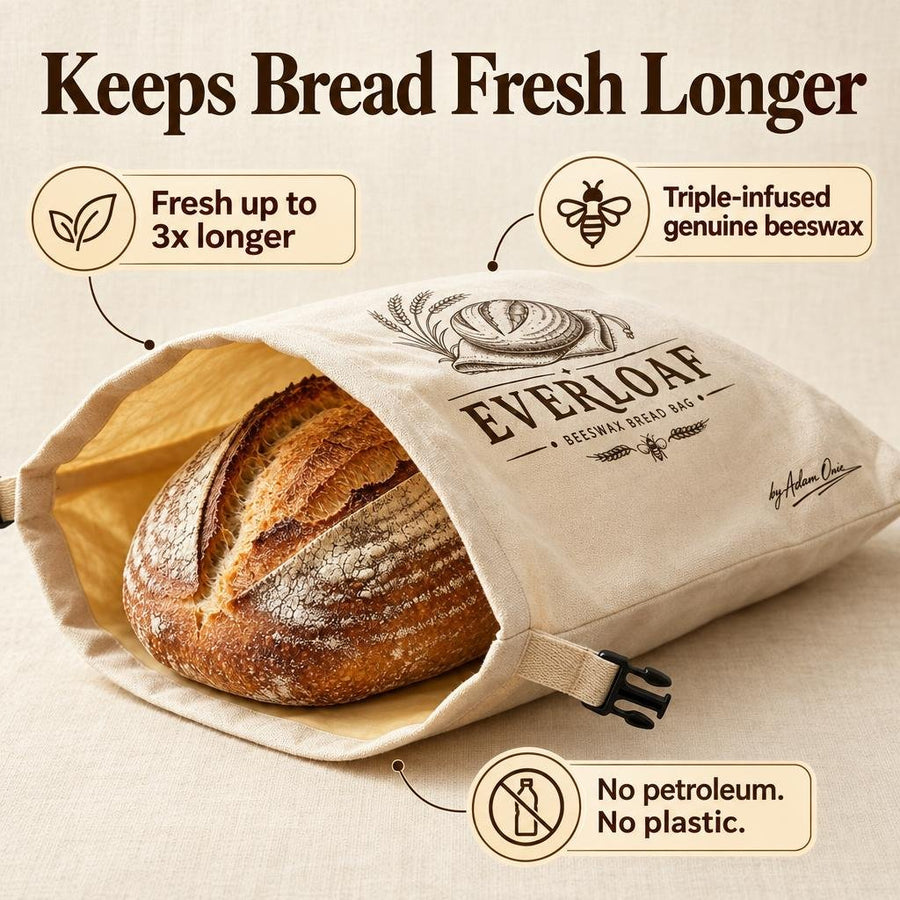
Heavyweight organic cotton on the outside. Inside, a lining infused with pure beeswax three separate times, so the wax soaks deep into the fiber instead of sitting on top. It doesn't crack. It doesn't flake. It doesn't wash off.
No plastic anywhere. No petroleum. Nothing touches your bread but cotton and beeswax.
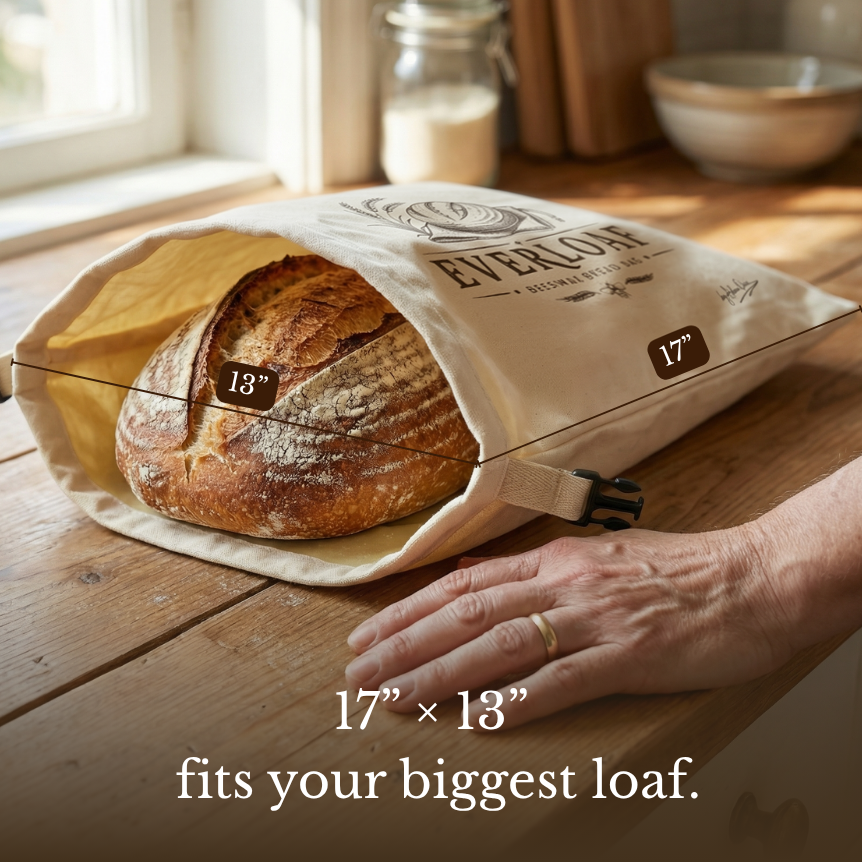
At 13 by 17 inches it swallows a full sourdough boule, and a buckle clasp keeps it shut tight.
“They were solving the wrong problem. Tight sealing is exactly what kills bread. It needs something that breathes.”Adam, Everloaf founderCheck Today's Availability
What Happens to a Loaf in the Bag
Here's what a week looks like.
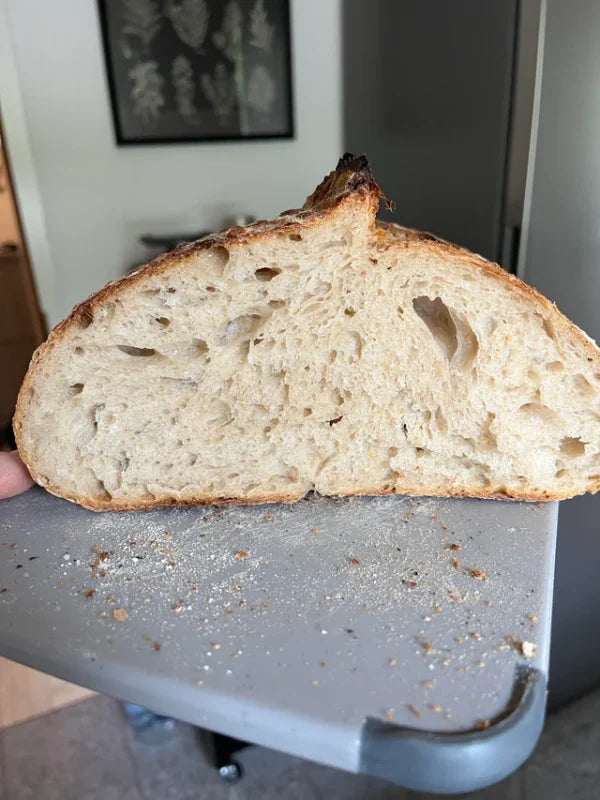
Most people get five to seven days out of a loaf instead of one or two. Some get a lot more. Your kitchen and your bread make a difference, but the pattern doesn't change.
Don't take my word for it.
What Real Customers Say
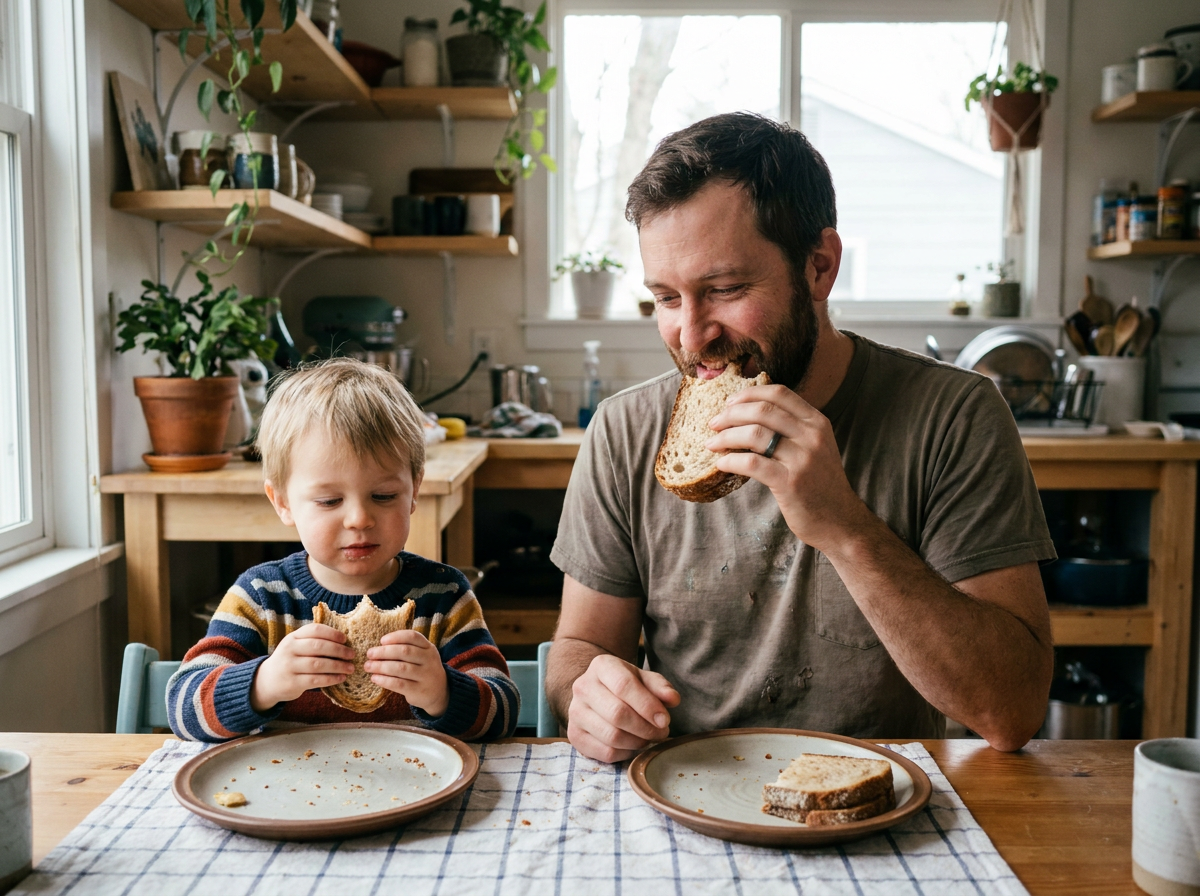
"I get superb quality sourdough from a small local bakery. The bread stayed fresh for 9 days. Really impressed!"
"I was skeptical about their claims but as far as I can tell they are all true. After two weeks the crust and bread were great. No mold."
"My daughter is celiac and bakes her own gluten free bread, which goes stale quickly. She loves it."
"I have had bread stay fresh for a week. My English muffins are 10 days old and still good."
The Math That Made Me Angry
A good loaf costs six to nine dollars now.
Throw out half of one every week and that's a hundred dollars or more a year going straight in the trash.
If you bake your own, it's worse. That's hours of feeding starter, folding dough and waiting on the rise. Gone, because of a storage problem nobody told you about.
One bag stops it. It pays for itself in about three months and keeps working for years.
This Is For You If
- You buy good bread or bake your own, and hate watching it go to waste
- You've tried plastic, the fridge, the freezer or paper and none of them worked
- You're tired of plastic touching your food
- Your sourdough boules are too big for normal bags
- You want one bag that lasts years, not something you throw out every week
Your Questions, Answered
Will my bread taste or smell like beeswax?
No. There's a faint honey scent when the bag is new that fades in a day or two. It never changes the taste.
How do I clean it?
Wipe it with a damp cloth and a little mild soap, then let it air dry. Skip hot water, which can melt the beeswax.
Will my big sourdough fit?
Yes. Each bag is 13 by 17 inches, big enough for a large boule.
Does it work for store-bought bread?
Yes. It works for homemade and store-bought loaves, plus bagels, buns, muffins and cookies.
How quickly will my bread bags arrive?
We handcraft every bag in small batches to maintain artisan quality, so orders dispatch within 3 to 4 business days. Delivery typically takes 6 to 12 business days, with real-time tracking.
What if it doesn't work for me?
You're covered by a 30 day money back guarantee. If your bread doesn't stay fresher, you get every penny back.
Try It on Your Own Bread for 30 Days
Every Everloaf bag comes with our 30-Day Fresh Bread Guarantee. Put it to the test on your next bake. If your crust does not stay crisp and your crumb does not stay soft, email us and you will get every penny back. No questions asked.
One honest note on availability: Because each bag is handcrafted in small artisan batches rather than mass-produced in a factory, inventory is strictly limited. Every run is triple-cured by hand, and once the current one is claimed, ordering pauses until the next batch is ready. If you see stock available below, make sure to claim your bags before this run sells out.
If you're tired of throwing out bread, this is the easiest fix you'll ever make.
The Everloaf Beeswax Bread Bag
- Customers report 5 to 7 days of fresh bread
- Triple-infused pure beeswax lining
- Organic cotton, zero plastic
- Fits your biggest sourdough
- 30 day money back guarantee